Product development facility

Audecy Electronics Manufacturing

Product Development

Audecy supports audio product programs from the first product brief through engineering validation, tooling readiness, packaging, and production handover. The process brings industrial design, electronics, acoustics, mechanical engineering, supply chain inputs, and quality planning into one development track so products are easier to build, test, and scale.

Specification Development

Specification development is where a product idea becomes a buildable program. We work from the target use case, category, price band, channel requirements, and expected customer experience to define the core product architecture before industrial design or tooling decisions are locked.

For audio products, the specification has to balance sound output, enclosure volume, driver selection, amplifier platform, battery or power requirements, connectivity, controls, reliability expectations, packaging constraints, and serviceability. Audecy translates those inputs into a working brief that engineering, sourcing, manufacturing, and quality teams can all execute against.

This early clarity reduces late design churn. It also gives the customer a practical view of the tradeoffs between feature ambition, bill-of-material targets, production complexity, testing effort, and launch timelines.

  • Product requirement mapping for soundbars, speakers, subwoofers, party speakers, and home audio systems.
  • Feature and performance definition across acoustics, electronics, controls, connectivity, power, and accessories.
  • Build-versus-buy decisions for key modules, mechanical parts, drivers, PCBs, remote controls, cables, and packaging.
  • Development milestones that connect design approval, prototype builds, validation gates, pilot production, and mass production readiness.

Output

A practical development brief that engineering, sourcing, quality, and manufacturing teams can work from.

Control

Known tradeoffs are documented early so cost, schedule, and product experience stay aligned.

Handoff

Specifications are prepared for design reviews, prototype planning, component development, and validation.
Industrial & Visual Design

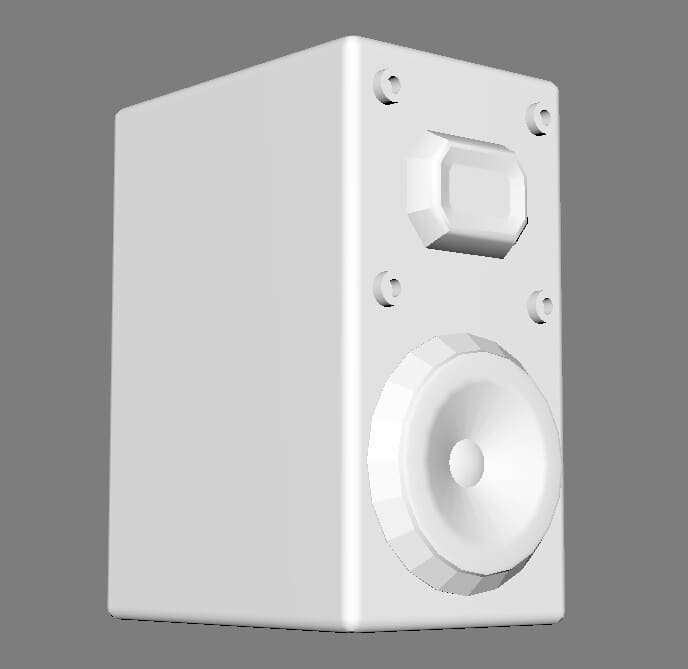
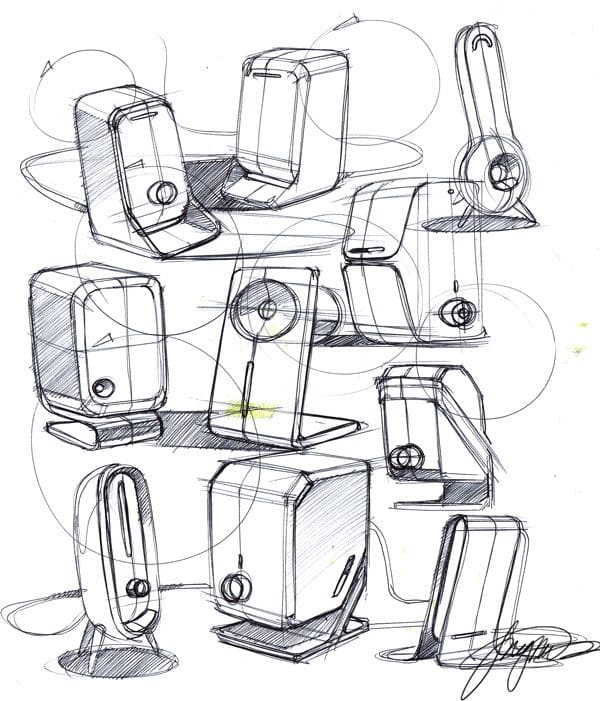
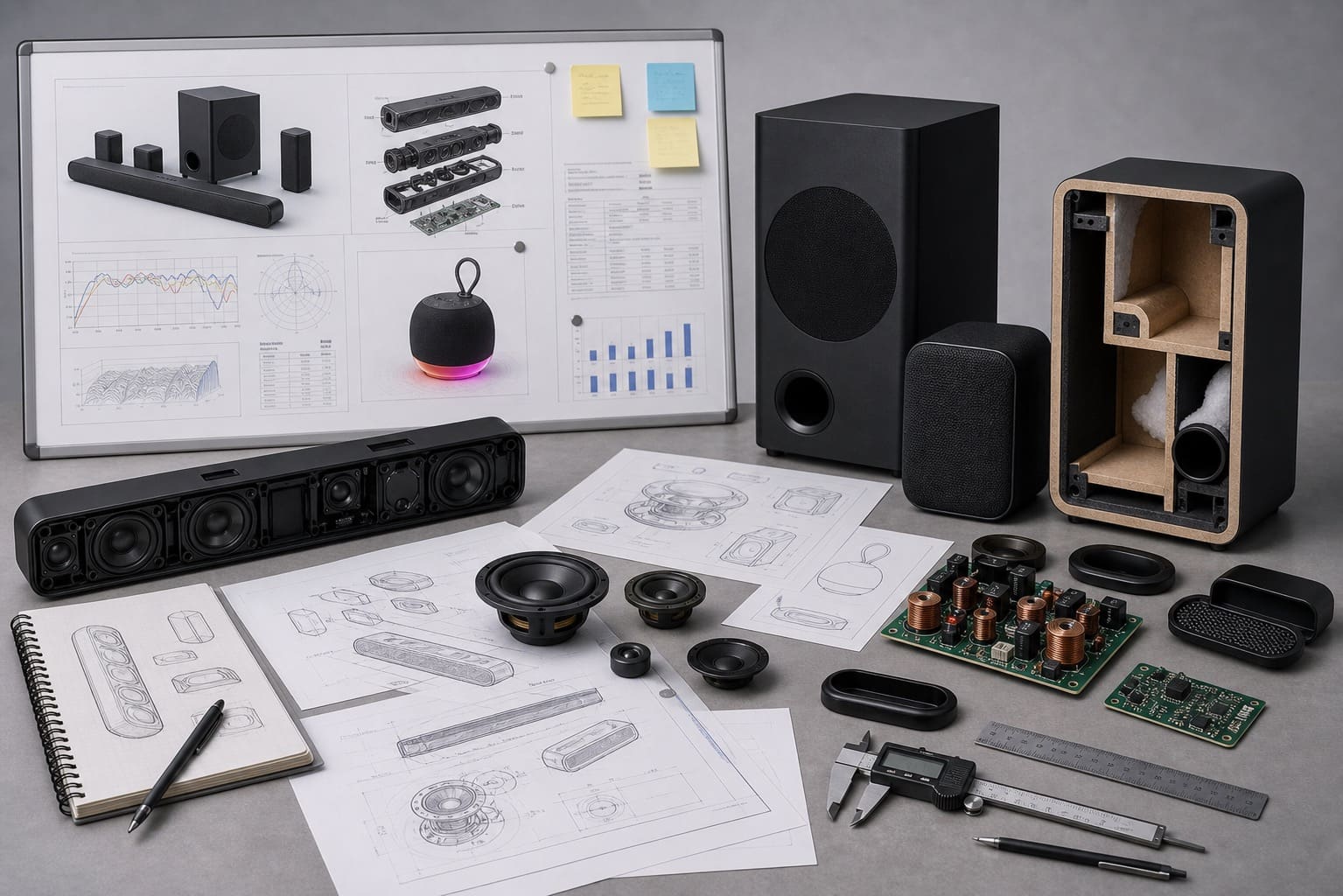
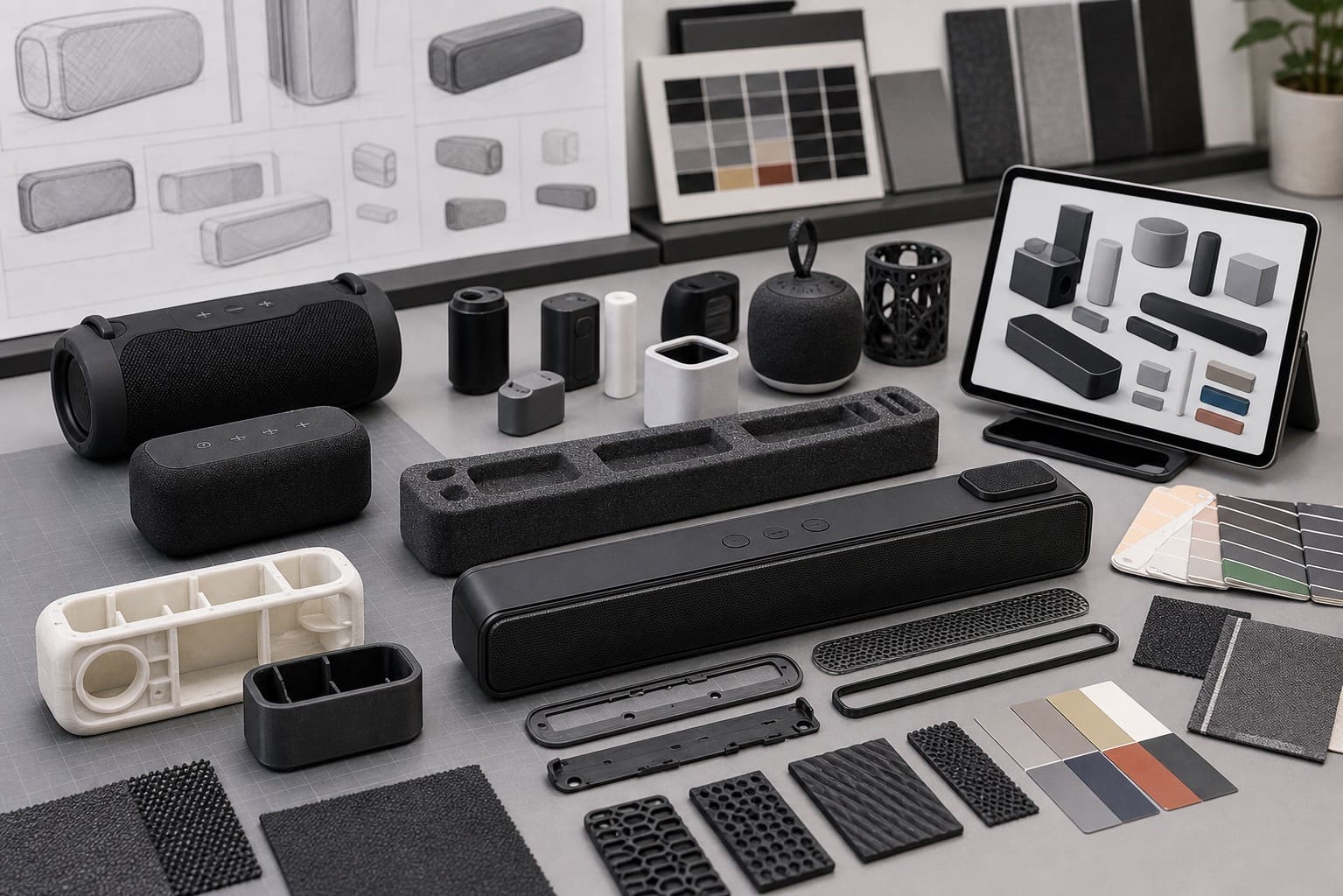
Audecy develops product forms that are attractive, manufacturable, and appropriate for the market position of the device. The visual design stage covers the overall silhouette, control layout, fabric or grille treatment, lighting details, material choices, finish direction, packaging presence, and how the product will look in a retail or ecommerce environment.

Design decisions are tested against real manufacturing constraints. Wall thickness, grille openings, screw locations, acoustic vents, rubber feet, port clearance, button feel, LED visibility, and assembly sequence all influence whether a concept can move cleanly into tooling.

The result is a design direction that can be reviewed visually while still being grounded in production reality. This keeps the product distinctive without creating unnecessary downstream risk.

  • Concept development for home audio, portable audio, party speakers, and accessory ecosystems.
  • CMF exploration for grilles, plastics, trims, buttons, handles, feet, and visible hardware.
  • Mockups and appearance prototypes for shape, scale, interface placement, and shelf presence.
  • Manufacturability review before design freeze so tooling and assembly constraints are addressed early.

Form

Product shapes are developed with enclosure volume, driver placement, and assembly access in mind.

Finish

Materials and surface treatments are evaluated for durability, tactility, and repeatability.

Retail Readiness

Visual choices account for how the product will appear in packaging, online listings, and in use.

Electronics & Firmware Design

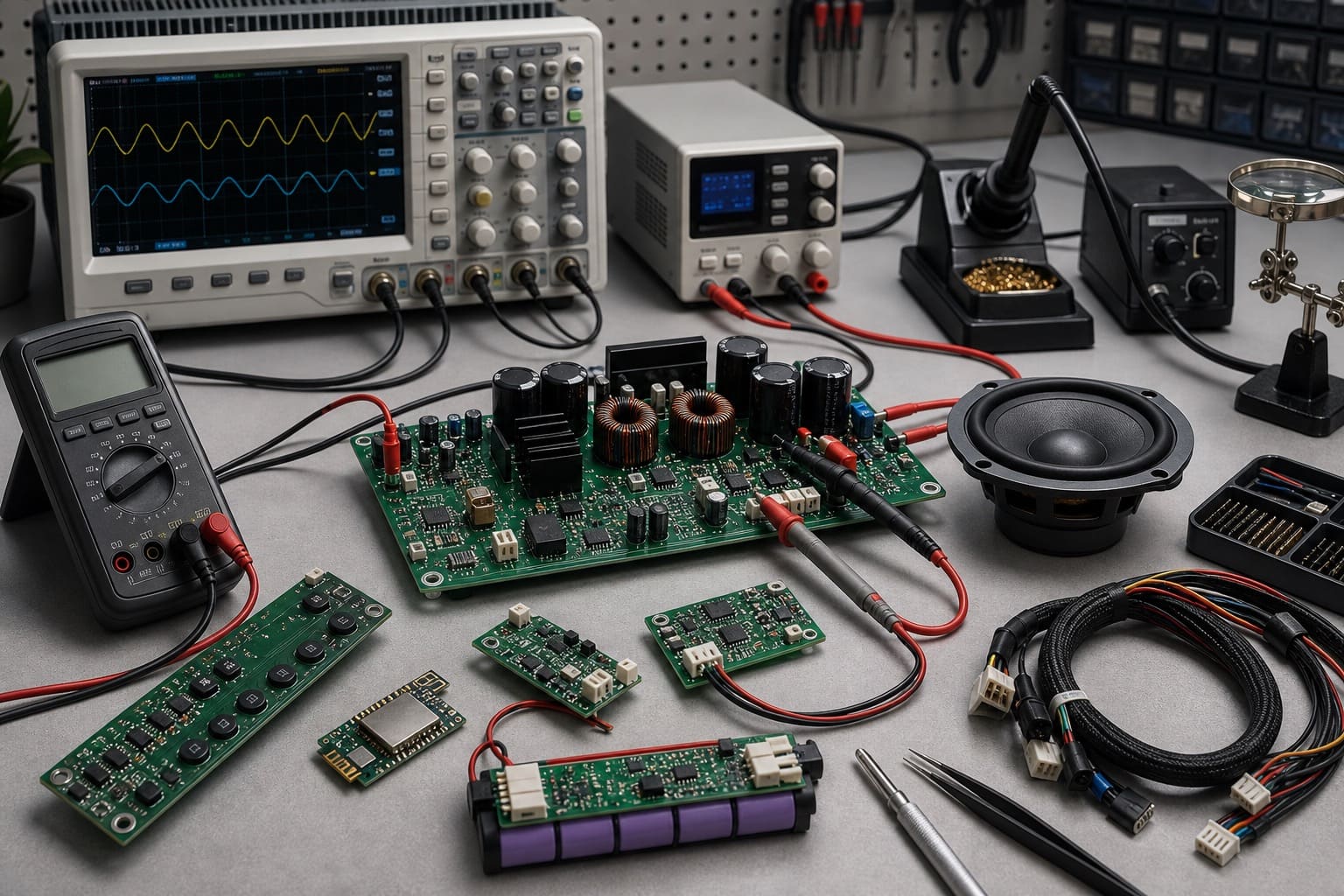
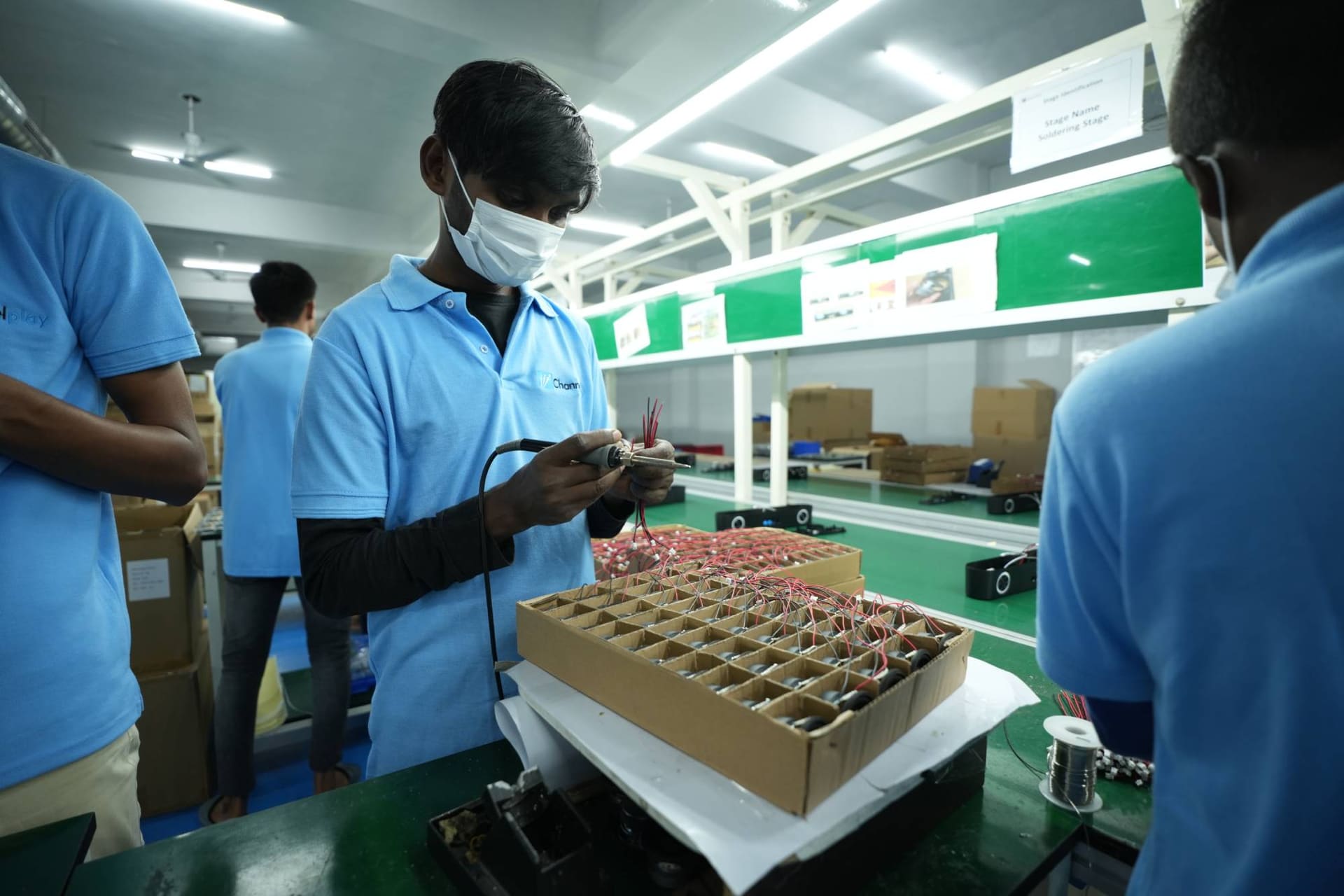
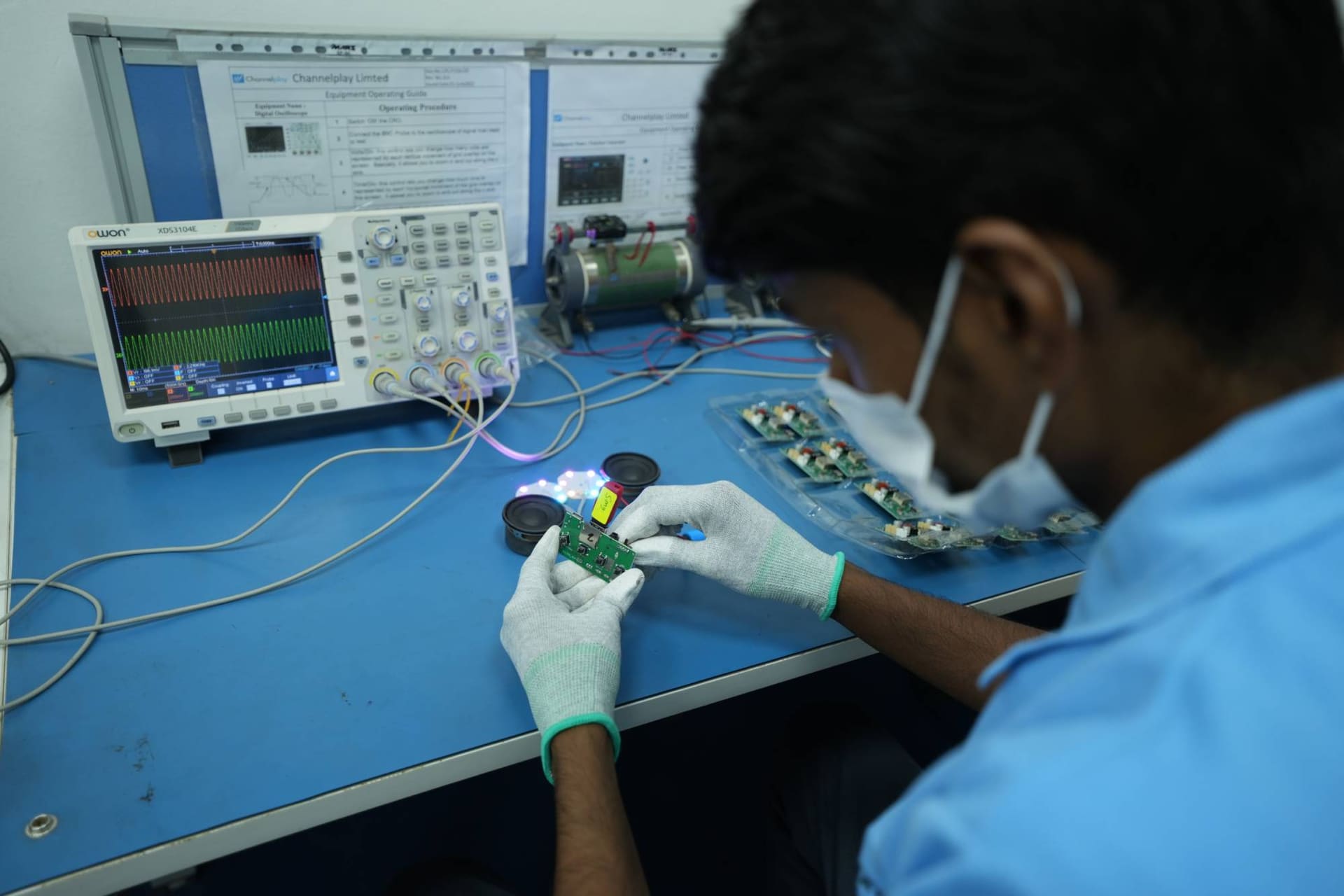
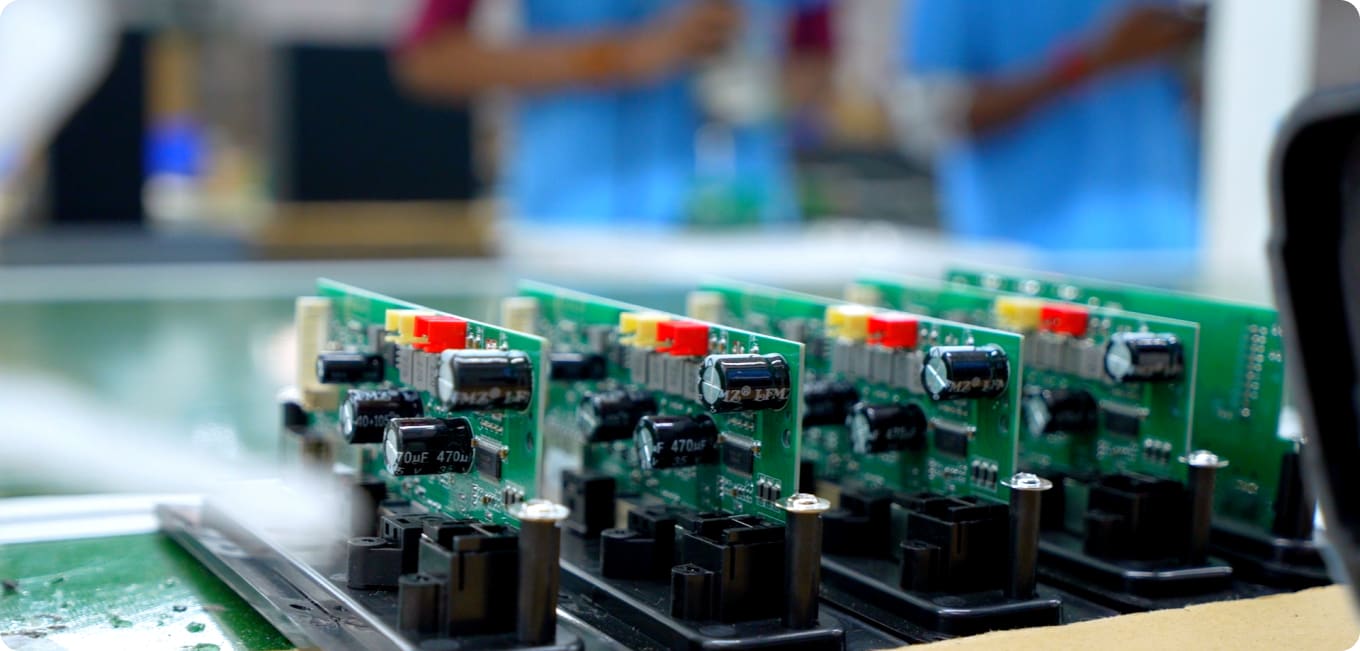
The electronics track defines the product's functional backbone: amplifier architecture, power supply or battery system, wireless connectivity, control interface, audio input options, indicator behavior, protection logic, and service access. Audecy works through the electronics design with a production lens so the platform is stable, testable, and suited to the intended volume.

Hardware and firmware decisions are reviewed together because user experience depends on both. Button response, pairing flow, source switching, volume behavior, LED feedback, standby logic, thermal behavior, and protection handling all need to feel consistent while remaining reliable on the line.

Engineering reviews also consider component availability, connector choices, PCB assembly flow, enclosure fit, wire routing, test points, and final inspection needs. That makes the electronics design easier to validate before pilot builds begin.

  • PCB, amplifier, power, battery, wireless, and control interface design support for audio products.
  • Firmware planning for pairing behavior, mode control, LED feedback, safety logic, and factory test access.
  • Component selection informed by availability, cost targets, certification needs, and service considerations.
  • Design-for-test inputs such as accessible test points, calibration flow, and clear inspection criteria.

Integration

Hardware, firmware, acoustics, enclosure design, and line testing are developed as one system.

Reliability

Thermal, power, protection, and connector decisions are reviewed before production release.

Factory Fit

Electronics are planned so assembly teams can connect, test, and rework products efficiently.

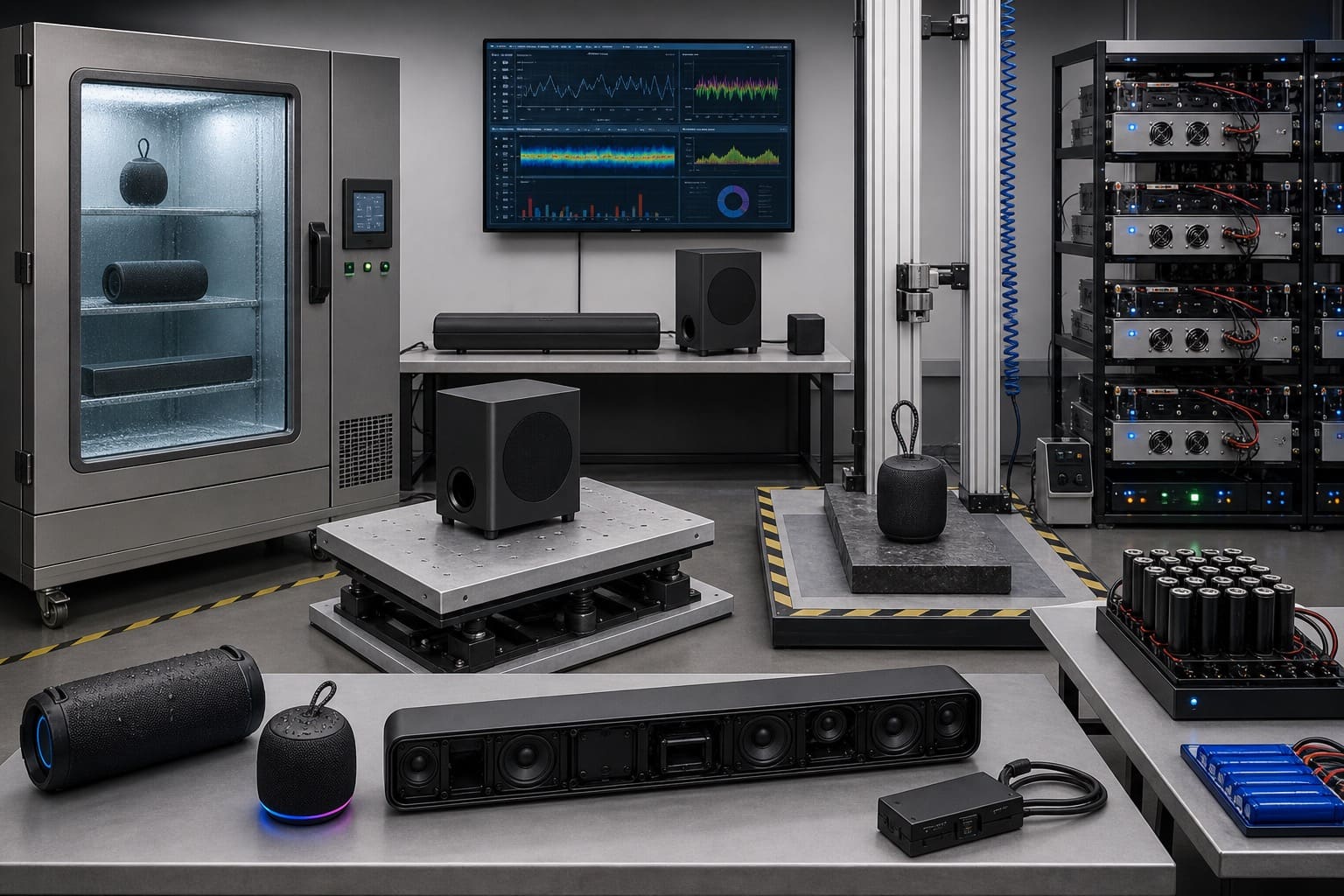
Acoustic Prototype Validation

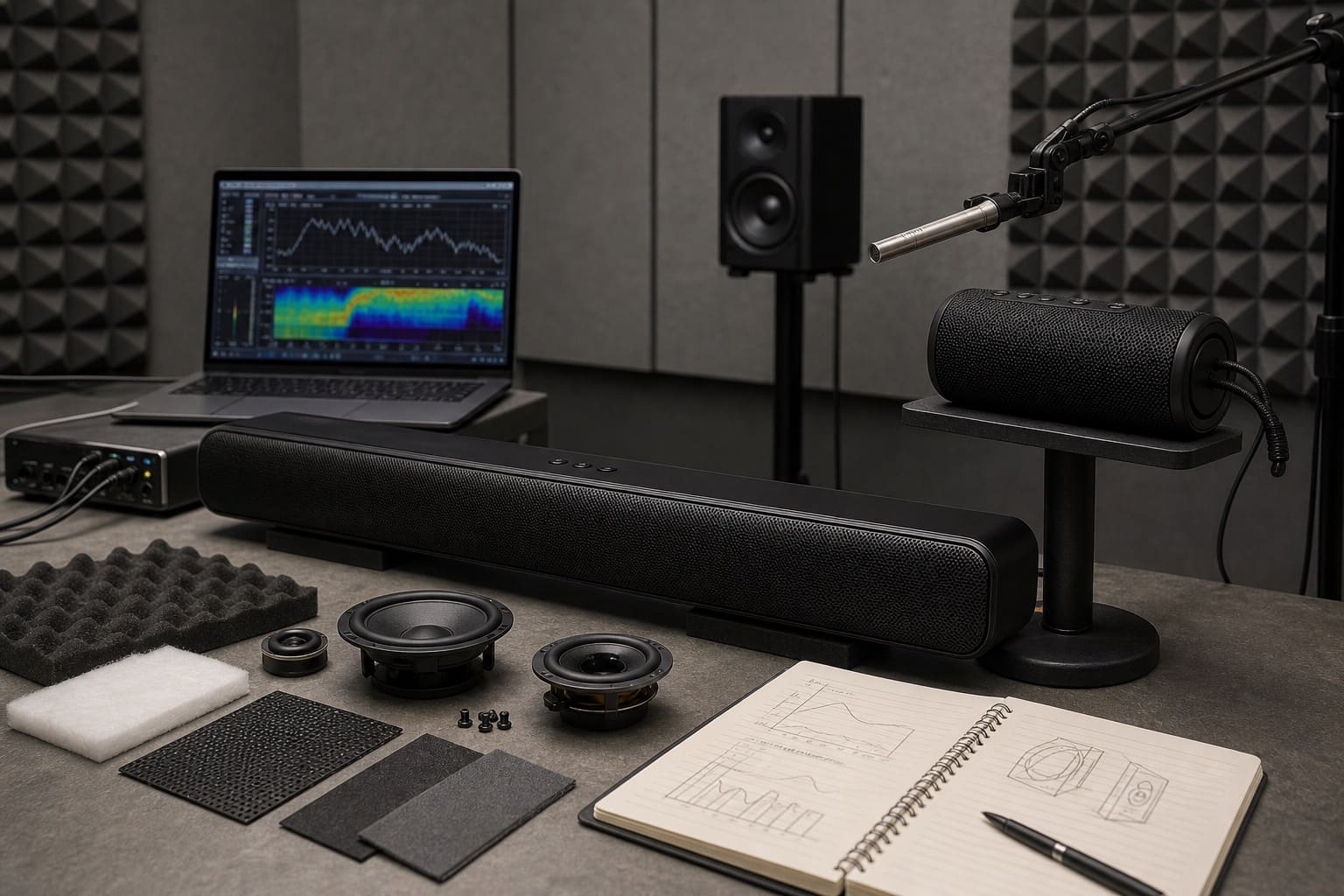
Audio products are judged by how they sound, not only by how they look on a specification sheet. Audecy uses prototype builds to check enclosure behavior, driver performance, porting, tuning direction, amplifier behavior, unwanted noise, vibration, and user-facing sound character.

Prototype validation helps identify whether the mechanical enclosure, electronics platform, and acoustic goals are moving in the same direction. Soundbar and speaker programs can require changes to enclosure volume, damping, grille treatment, driver mounting, passive radiator behavior, or port geometry before the design is ready for tooling.

By connecting acoustic feedback to the engineering and manufacturing plan, the team can reduce the risk of late-stage rework and protect the intended product experience through production.

  • Prototype listening and measurement support for soundbars, subwoofers, portable speakers, and tower systems.
  • Checks for enclosure resonance, air leaks, vibration, rattles, buzz, distortion, and tuning consistency.
  • Review of driver mounting, grille clearance, port design, damping, and cabinet structure.
  • Engineering feedback loops that connect acoustic findings to mechanical, electronics, and process changes.

Sound

Prototype evaluation focuses on the actual listening experience as well as engineering behavior.

Structure

Cabinet, grille, driver, and port decisions are reviewed for unwanted noise and repeatability.

Release Gate

Findings are carried into design freeze, tooling review, pilot production, and quality planning.

Component & Tooling Development

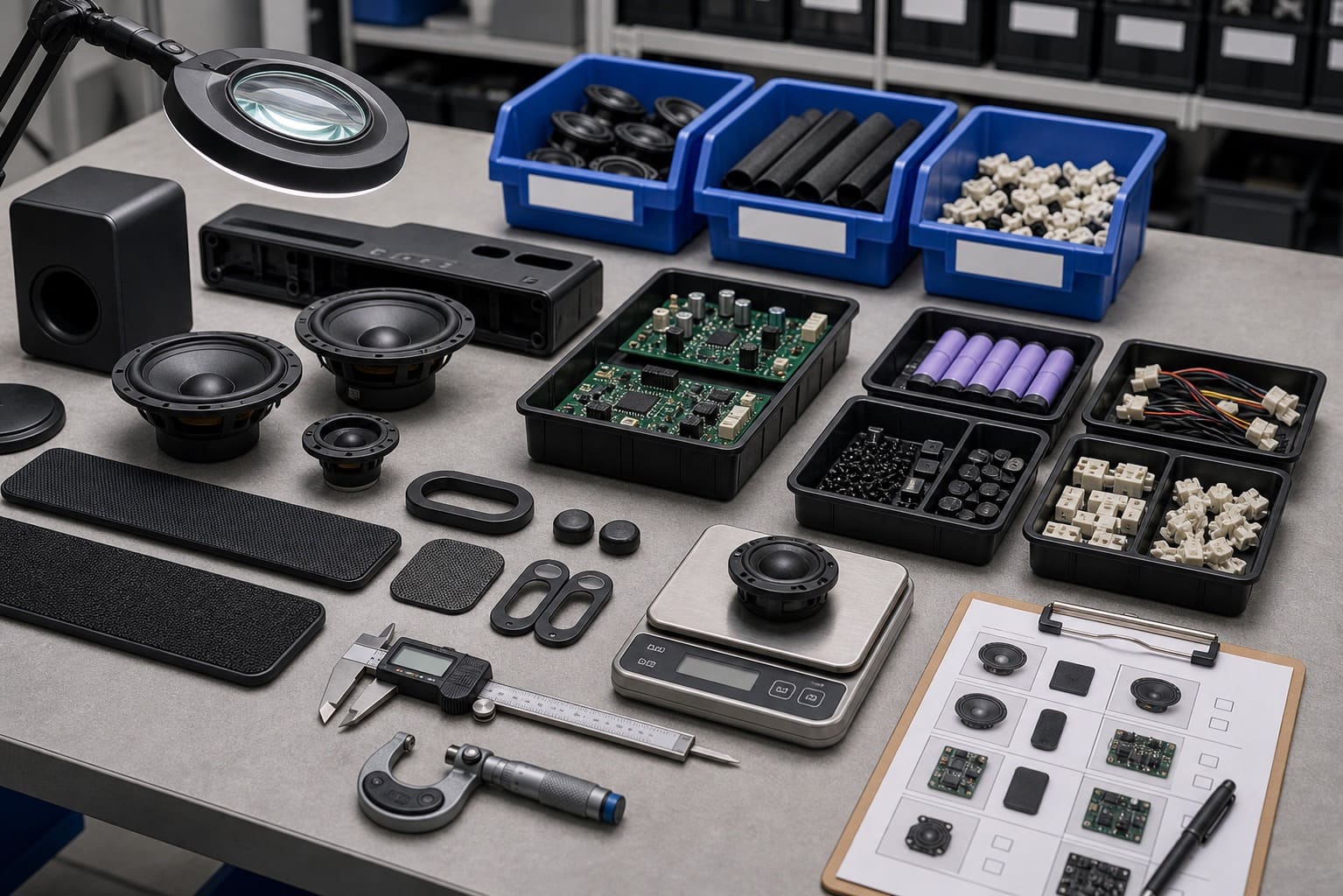
Component development turns the approved product direction into parts that can be sourced, built, inspected, and assembled repeatedly. Audecy supports mechanical parts, speaker grilles, cabinets, buttons, handles, feet, brackets, cable sets, PCBs, driver modules, and packaging inserts with a focus on fit, finish, quality, and assembly effort.

Tooling decisions are reviewed against expected production needs. The team considers material selection, tolerance stack-up, cosmetic requirements, fastening strategy, fixture needs, inspection methods, and the relationship between the part design and the final assembly flow.

This stage is especially important for audio products because small mechanical issues can become audible issues. A weak joint, poor seal, loose grille, or inconsistent fit can affect vibration behavior, perceived quality, and line yield.

  • Development support for plastic, metal, fabric, grille, rubber, cable, electronic, and packaging components.
  • Tooling review for fit, finish, tolerance, fastening, inspection, and repeatable assembly.
  • Supplier coordination inputs for samples, corrective feedback, acceptance criteria, and production readiness.
  • Part-level checks that connect cosmetic quality, mechanical strength, acoustic behavior, and serviceability.

Fit

Parts are reviewed as assemblies, not isolated drawings, so tolerance issues are caught early.

Finish

Cosmetic surfaces, textures, trims, and visible hardware are assessed before release.

Repeatability

Inspection criteria are defined so incoming and in-process quality teams can control production.

Packaging & Launch Readiness

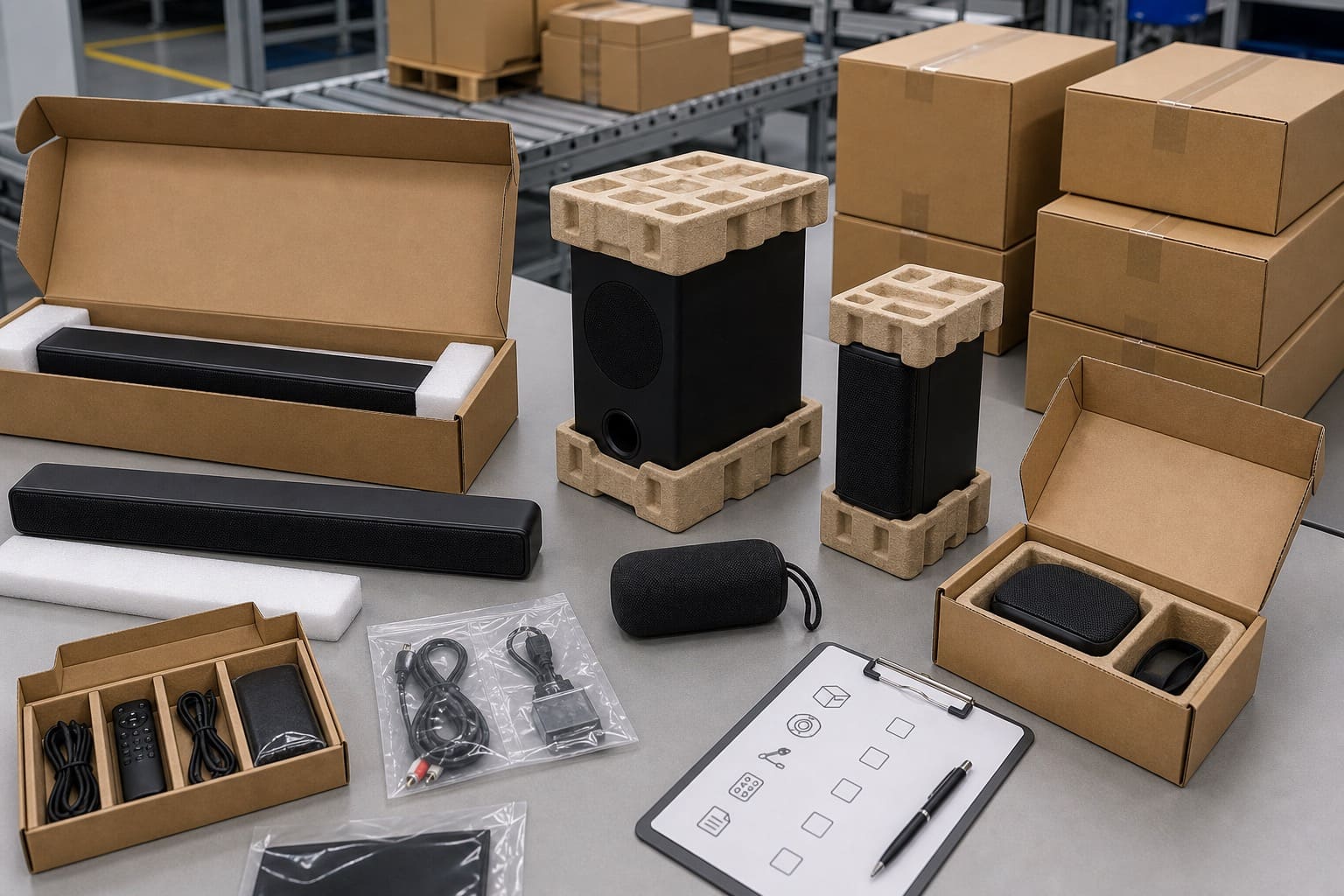
Packaging is treated as part of the product experience and part of the manufacturing system. Audecy develops packaging around product protection, accessory organization, installation clarity, ecommerce handling, retail presentation, and packing efficiency.

The packaging plan accounts for cartons, inserts, cushioning, manuals, labels, remote controls, adapters, cables, and other accessories. It also has to work for the operators packing the product, the warehouse team moving cartons, and the customer opening the box.

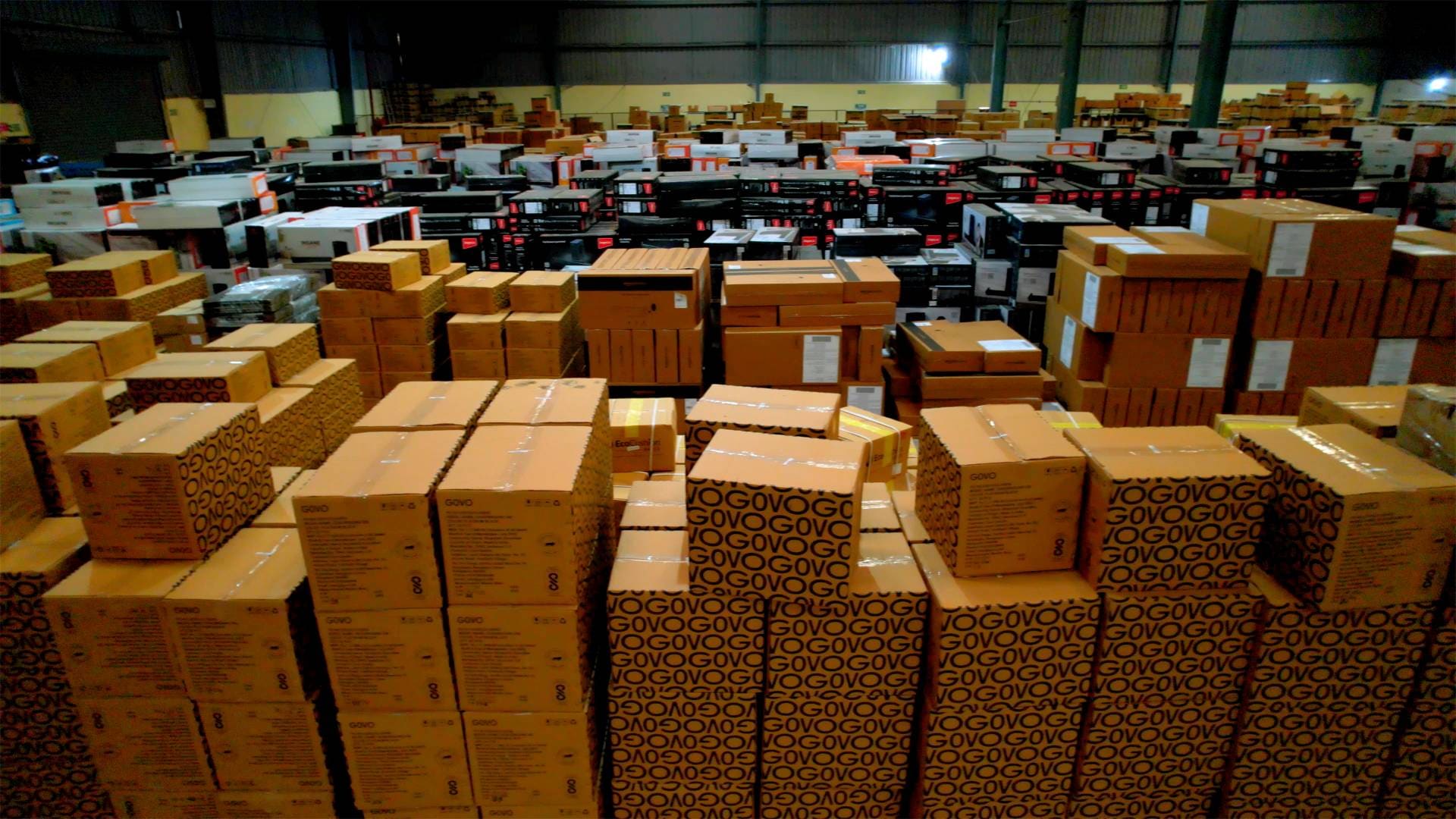
Before handover, the team checks whether the product, accessories, documents, labels, cartons, and dispatch process are ready to support the intended launch channel.

  • Packaging structure for soundbars, subwoofers, speaker sets, portable speakers, remotes, adapters, and cables.
  • Insert and carton planning for protection, packing speed, accessory control, and user unboxing.
  • Pre-launch readiness checks for labels, documentation, accessory kits, inspection status, and dispatch flow.
  • Feedback loops between packaging design, production packing, warehouse handling, and customer presentation.

Protection

Packaging is planned around product weight, finish, shape, accessories, and expected handling.

Completeness

Accessory kits, documents, labels, and inspection status are checked before dispatch.

Experience

The pack is reviewed as both a logistics item and the customer's first physical interaction.

Ready to build with Audecy?

Let’s align on specifications, timelines, and quality goals for your next audio program.

Explore audio product programs — soundbars, Bluetooth speakers, tower speakers, and party speakers.

Review the technology capabilities behind production visibility, traceability, quality gates, and dispatch control.

Start a project